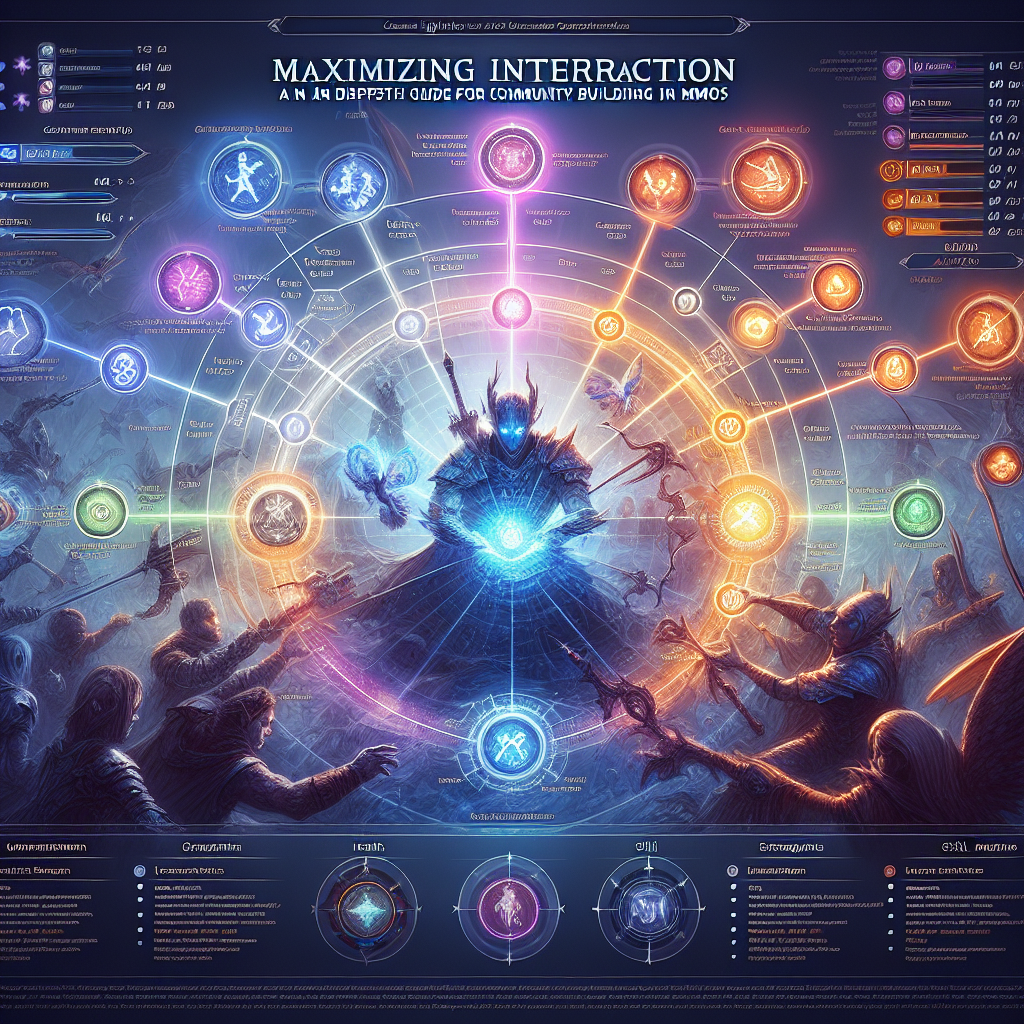
Maximizing Interaction: An In-Depth Guide to Community Building in MMOs
Unlocking the Power of Social Dynamics: Learn to Leverage Guilds, Trading, and Player Relationships for a Richer MMO Experience
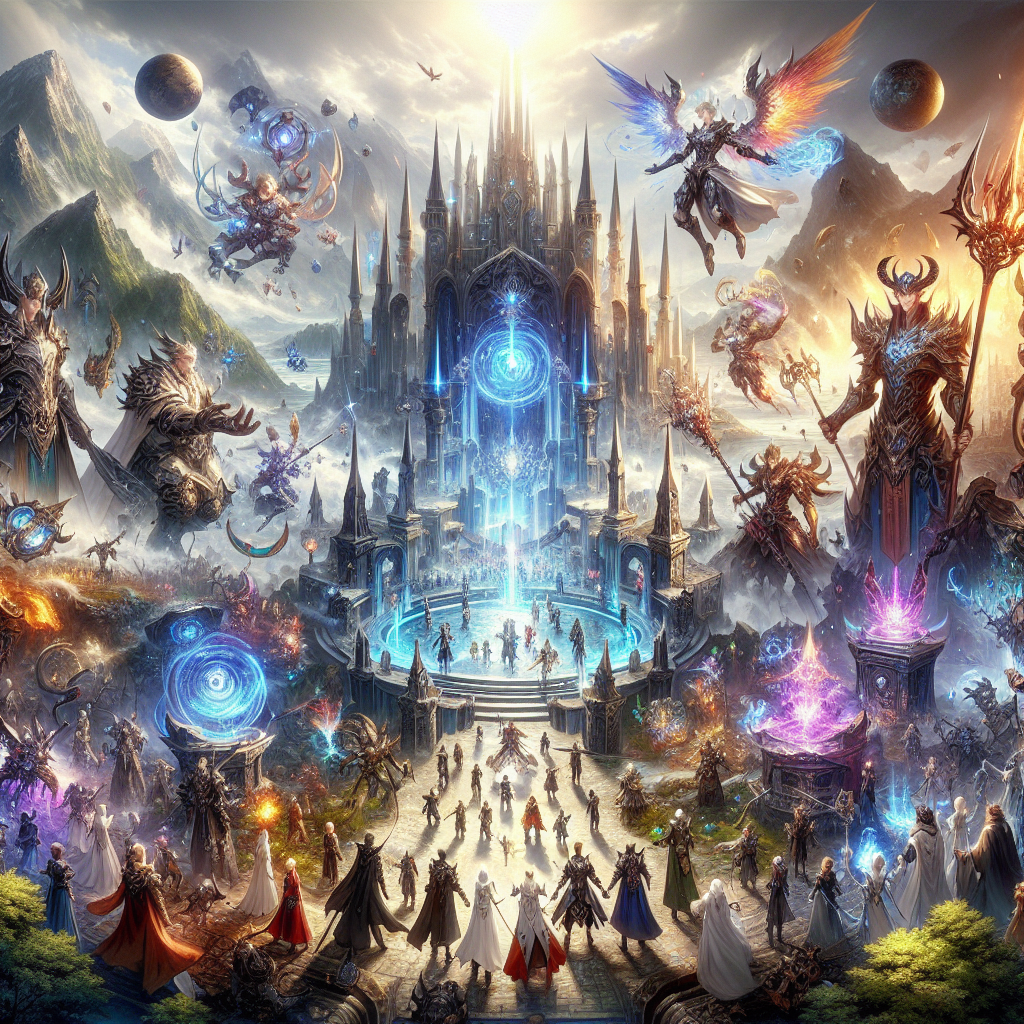
Massively Multiplayer Online (MMO) games have long captivated players with their vast virtual worlds, intricate quests, and opportunities for shared experiences. However, the true magic of these games often lies in the vibrant communities that emerge organically, elevating the gameplay experience to new heights. In this comprehensive guide, we'll explore the art of community building in MMOs, uncovering strategies to leverage social dynamics, guild structures, and player-to-player interactions to create a more engaging and profitable gaming environment.
The Importance of Community in MMO Success
At the heart of any thriving MMO lies a strong, engaged community. Players who feel a sense of belonging, camaraderie, and shared purpose are more likely to invest time, energy, and resources into the game, ultimately driving its long-term success. A robust community can foster:
- Increased Player Retention - When players feel connected to a larger group, they're less likely to abandon the game, leading to higher retention rates.
- Enhanced User Experience - A lively community with helpful players, engaging events, and a vibrant in-game economy can dramatically improve the overall user experience.
- Opportunities for Monetization - Thriving communities often generate demand for in-game items, cosmetics, and services, opening up new avenues for monetization.
- Organic Marketing and Advocacy - Passionate community members can become powerful brand ambassadors, spreading awareness and positive sentiment about the game.
By understanding the crucial role of community in MMO success, developers and game designers can strategically implement features and mechanics that foster a sense of belonging and collaboration among players.
Leveraging Guilds: The Backbone of Community
One of the most important elements of community building in MMOs is the guild system. Guilds serve as the backbone of player interactions, offering a structured framework for collaboration, resource sharing, and joint goal-pursuit. Successful MMO communities often revolve around strong guild dynamics, and developers should prioritize the following aspects:
Guild Structures and Hierarchies
Providing a clear guild hierarchy with defined roles (e.g., guild leader, officers, members) can help foster a sense of organization and leadership within the community. This structure allows for efficient coordination, decision-making, and the delegation of tasks or responsibilities.
Guild Benefits and Incentives
Implementing meaningful guild-specific benefits, such as exclusive access to resources, special abilities, or unique rewards, can motivate players to actively participate in and contribute to their guild. These incentives foster a sense of loyalty and investment in the community.
Guild Activities and Events
Organizing regular guild-centric activities, such as group quests, raids, PvP battles, or social gatherings, encourages players to interact, collaborate, and bond with one another. These shared experiences build camaraderie and strengthen the overall community.
Guild Recruitment and Onboarding
Streamlining the guild recruitment and onboarding process can help attract new members and integrate them into the community seamlessly. This may include features like guild finder tools, detailed application processes, and structured mentorship programs.
Fostering Player-to-Player Interactions
Beyond the guild framework, MMO developers should also focus on facilitating organic player-to-player interactions that extend beyond structured group activities. This can be achieved through the following strategies:
Dynamic Trading and Bartering Systems
Implementing a robust in-game economy with meaningful trading and bartering mechanics encourages players to engage in mutually beneficial transactions. This not only fosters economic activity but also facilitates social connections as players negotiate, collaborate, and build trust.
Player-Driven Events and Initiatives
Empowering players to organize and host their own events, contests, or community-driven projects can spark a sense of ownership and investment in the overall MMO experience. This can range from player-led tournaments and role-playing scenarios to social gatherings and community-curated content.
Reputation and Relationship Systems
Incorporating reputation and relationship-building mechanics into the game can encourage players to cultivate meaningful connections with one another. This may include features that track player interactions, establish reputations, and allow for the formation of alliances, friendships, or rivalries.
Communication and Collaboration Tools
Providing advanced communication and collaboration tools, such as in-game chat, voice channels, and task-management features, can facilitate seamless information sharing, coordination, and the formation of ad-hoc player groups.
Leveraging AI and Data for Optimized Community Building
In the modern era of gaming, the integration of AI and data-driven insights can significantly enhance community building efforts in MMOs. By harnessing the power of AI, developers can:
Personalized Matchmaking and Grouping
Utilize AI-powered algorithms to match players based on shared interests, playstyles, and compatibility, ensuring a more enjoyable and meaningful group experience.
Sentiment Analysis and Moderation
Apply natural language processing (NLP) and sentiment analysis to monitor player interactions, identify potential conflicts or toxicity, and implement proactive moderation strategies to maintain a positive community atmosphere.
Dynamic Content Curation
Leverage machine learning models to analyze player behaviors, preferences, and engagement patterns, then dynamically curate and recommend relevant content, events, or activities to foster a more personalized and engaging community experience.
Predictive Insights and Community Optimization
Use data analytics and predictive modeling to identify trends, predict community dynamics, and make informed decisions about the implementation of new community-centric features and mechanics.
By integrating AI-powered solutions, MMO developers can gain a deeper understanding of their player base, optimize community-building efforts, and create a more cohesive and thriving gaming ecosystem.
Key Takeaways
- Community building is a crucial aspect of MMO success, fostering player retention, enhanced user experiences, and new monetization opportunities.
- Guilds serve as the backbone of MMO communities, and developers should focus on optimizing guild structures, benefits, activities, and onboarding processes.
- Facilitating organic player-to-player interactions through dynamic trading systems, player-driven events, and robust communication tools can further strengthen the community.
- Leveraging AI and data-driven insights can revolutionize community building efforts, enabling personalized matchmaking, sentiment analysis, dynamic content curation, and predictive optimization.
- By prioritizing community-centric features and strategies, MMO developers can create a more engaging, profitable, and long-lasting gaming experience for their players.
Unlock the power of social dynamics in MMOs by leveraging guilds, trading, and player relationships. Discover AI-powered strategies to build a thriving, profitable gaming community.