Unraveling the Art of Crafting Immersive MMO Universes: Strategies, Mechanics, and Lore Creation Techniques for Game Developers and Enthusiastic Players
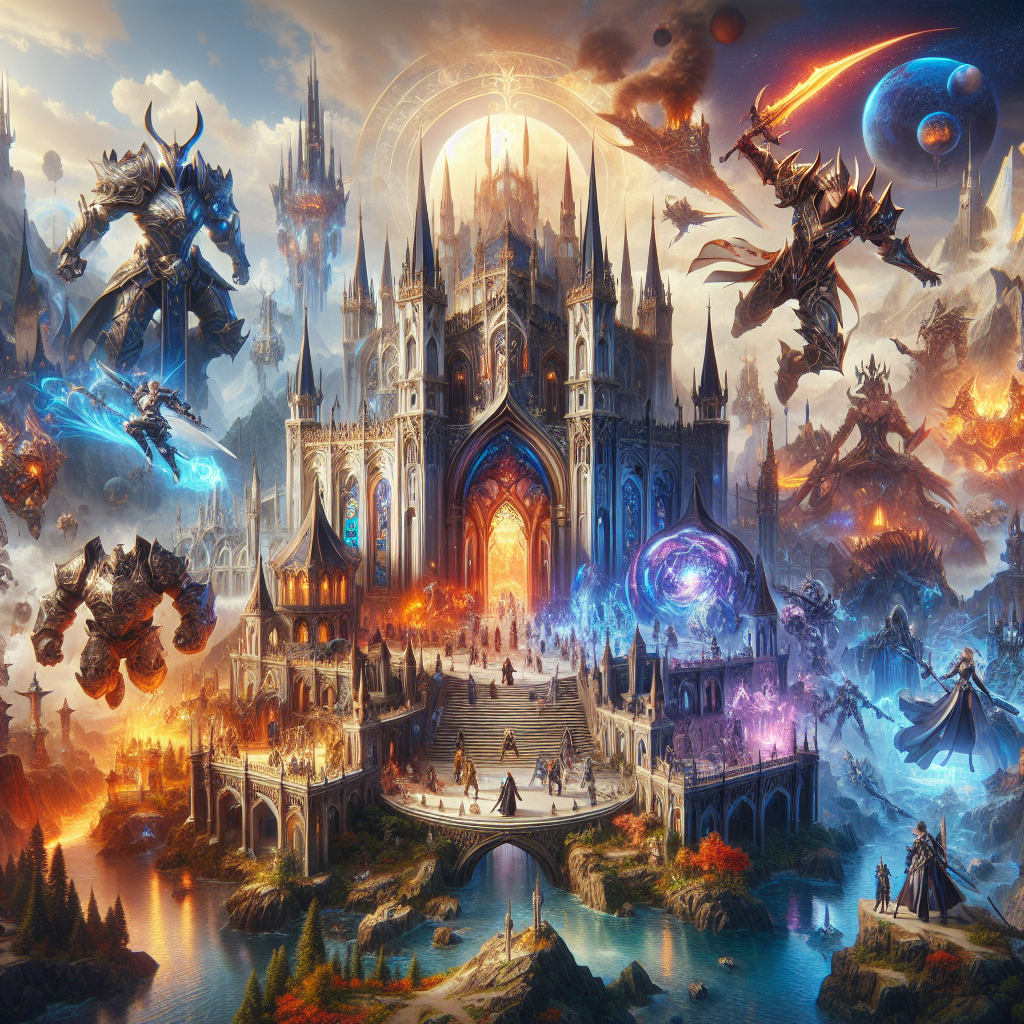
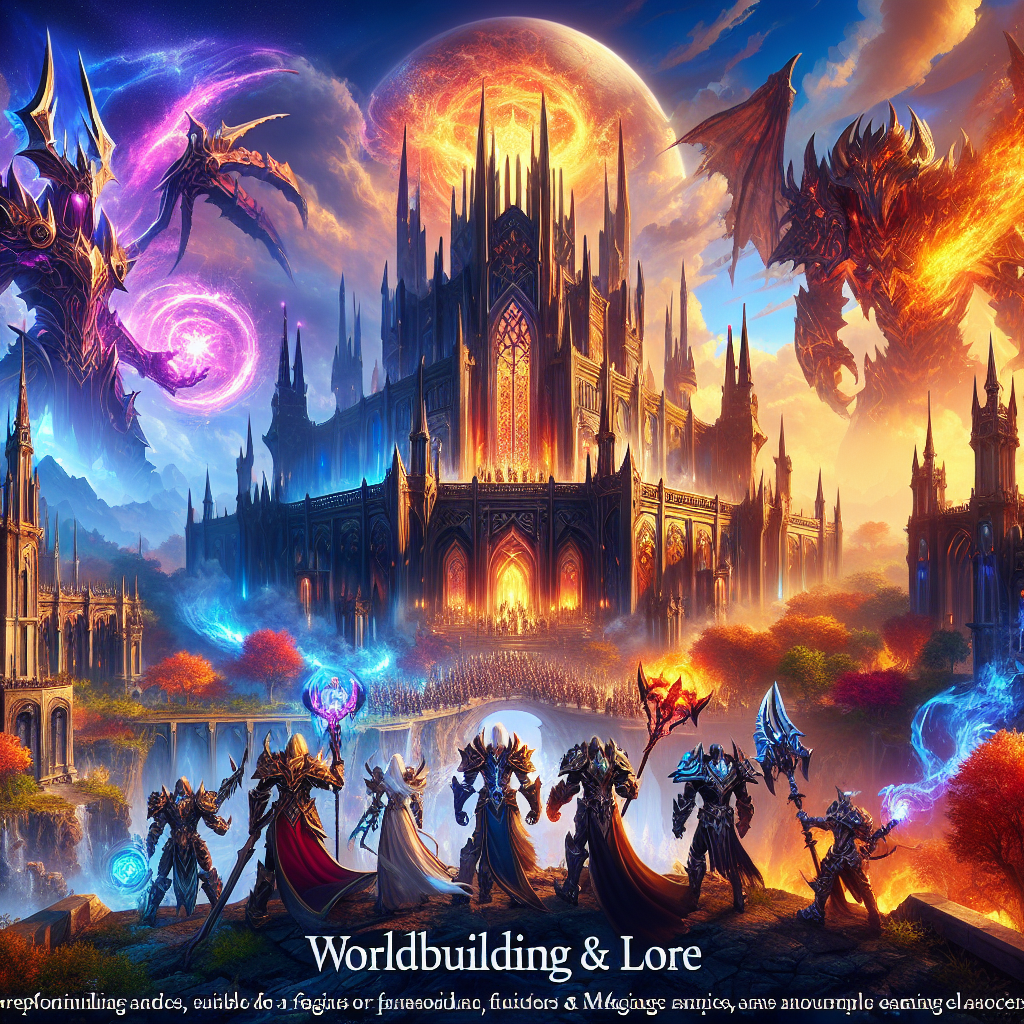
In the captivating realm of Massively Multiplayer Online (MMO) games, the art of worldbuilding is paramount. It's not just about creating a functional game environment; it's about weaving an intricate tapestry of lore, history, and intrigue that immerses players and draws them into a wholly unique digital realm. As a game developer or passionate lore enthusiast, navigating the complexities of MMO worldbuilding can be a daunting, yet deeply rewarding endeavor.
Establishing the Foundations: Crafting a Compelling Narrative
The bedrock of any immersive MMO world lies in its narrative. A robust, well-crafted story serves as the backbone upon which all other worldbuilding elements are built. Begin by defining the overarching themes, conflicts, and pivotal events that will shape the game's universe. Establish a clear timeline of historical milestones, from the creation of the world to the present-day circumstances players will encounter.
Worldbuilding Techniques for Narrative Development
- **Develop a Comprehensive Timeline**: Construct a detailed timeline that outlines the world's history, including major historical events, the rise and fall of civilizations, and the progression of technological advancements.
- **Craft Engaging Backstories**: Develop rich backstories for key characters, factions, and organizations that populate the world. These backstories should inform their motivations, goals, and the challenges they face.
- **Incorporate Mythological Elements**: Drawing inspiration from mythologies, legends, and folklore can imbue your world with a sense of depth and authenticity. Weave in elements of the supernatural, deities, and ancient prophecies to captivate players.
- **Establish Overarching Conflicts**: Identify the central conflicts that drive the narrative, whether they are between warring factions, a battle against a powerful antagonist, or the struggle to preserve the world's delicate balance.
Building a Diverse and Immersive Ecosystem
With the narrative foundations in place, the next step is to construct a vibrant, living ecosystem that players can explore and interact with. This involves crafting a diverse array of geographical regions, cultures, and sociopolitical structures that bring the world to life.
Geographical Diversity and Environmental Storytelling
- **Create Distinct Biomes and Regions**: Develop a varied landscape with contrasting biomes, from lush forests and arid deserts to icy tundras and bustling metropolises. Each region should have its own unique flora, fauna, and environmental challenges.
- **Incorporate Geological and Tectonic Phenomena**: Introduce dynamic geological elements, such as active volcanoes, towering mountain ranges, and shifting tectonic plates, to add a sense of volatility and grandeur to the world.
- **Utilize Environmental Storytelling**: Embed narrative elements within the environment itself, such as the ruins of ancient civilizations, the remnants of past battles, or natural formations that hold cultural or historical significance.
Cultural Depth and Sociopolitical Complexity
- **Establish Diverse Cultures and Societies**: Craft a rich tapestry of cultures, each with its own distinct languages, customs, belief systems, and societal structures. Explore the interactions and tensions between these diverse civilizations.
- **Implement Complex Sociopolitical Dynamics**: Introduce intricate power structures, political factions, and systems of governance that shape the world's power dynamics and influence the choices available to players.
- **Incorporate Technological Advancements**: Develop a clear timeline of technological progress, from primitive tools and weapons to advanced magitech or futuristic innovations, to create a sense of evolving complexity.
Populating the World with Engaging Characters and Factions
The true heart of any MMO world lies in the diverse array of characters and factions that inhabit it. These entities, each with their own motivations, agendas, and complex relationships, are the driving forces that propel the narrative forward and provide players with a sense of agency and choice.
Crafting Compelling Characters
- **Develop Multidimensional NPCs**: Create non-player characters (NPCs) that are more than just quest-givers or static information sources. Imbue them with distinct personalities, backstories, and evolving relationships with other characters.
- **Introduce Player-Driven Narratives**: Allow players to directly impact the world and its inhabitants through their choices and actions, leading to unique, player-driven storylines and consequences.
- **Incorporate Intricate Faction Dynamics**: Establish factions with their own distinct goals, ideologies, and methods, and allow players to align themselves with or against these groups, shaping the world's power balance.
Fostering Meaningful Player Interactions
- **Facilitate Player-to-Player Relationships**: Encourage the formation of meaningful player-to-player relationships, such as alliances, rivalries, and political maneuvering, that can shape the larger narrative.
- **Implement Dynamic World Events**: Introduce unpredictable world events, such as natural disasters, invasions, or political upheavals, that players must respond to and navigate, further strengthening the sense of a living, breathing world.
- **Encourage Player-Driven Storytelling**: Empower players to contribute to the world's narrative through their own actions, player-generated content, and collaborative worldbuilding efforts.
Leveraging AI for Worldbuilding Automation and Optimization
As game developers and lore enthusiasts navigate the intricate process of MMO worldbuilding, the integration of AI-powered tools and techniques can prove invaluable. From procedural content generation to automated dialogue creation, AI can streamline the worldbuilding process and unlock new possibilities for storytelling and player engagement.
AI-Powered Procedural Content Generation
- **Terrain and Landscape Generation**: Utilize AI algorithms to generate diverse, realistic terrain and landscapes, including mountains, rivers, forests, and other natural features.
- **Procedural City and Settlement Creation**: Employ AI to algorithmically generate unique cities, towns, and settlements, complete with buildings, infrastructure, and populaces.
- **Dynamic World Events and Encounters**: Leverage AI to create unpredictable, emergent world events and encounters that respond to player actions and the evolving state of the game world.
AI-Assisted Narrative and Dialogue Generation
- **Automated Backstory and Lore Creation**: Utilize AI-powered language models to generate detailed backstories, historical events, and lore elements that can be seamlessly integrated into the game world.
- **Intelligent Dialogue Systems**: Implement AI-driven dialogue systems that can dynamically generate contextual responses, adapt to player choices, and create the illusion of intelligent, responsive NPCs.
- **Character Personality and Behavior Modeling**: Employ AI to model the personalities, motivations, and behaviors of NPCs, ensuring they react and interact with players in a more lifelike and consistent manner.
AI-Driven Optimization and Personalization
- **Adaptive World Scaling and Difficulty**: Utilize AI algorithms to dynamically adjust the game world's scale, challenge, and content based on player progression and skill level, providing a tailored and engaging experience.
- **Personalized Quests and Storylines**: Leverage AI to generate quests, missions, and storylines that are customized to individual player preferences, playstyles, and in-game actions.
- **Player Behavior Analysis and Optimization**: Employ AI-driven analytics to monitor player behavior, identify pain points, and optimize the worldbuilding and gameplay experience accordingly.
By embracing the power of AI, game developers and lore enthusiasts can unlock new levels of creativity, efficiency, and immersion in the realm of MMO worldbuilding. Through procedural content generation, narrative automation, and adaptive optimization, the process of crafting captivating, living worlds becomes more streamlined and accessible, empowering developers to push the boundaries of what's possible in the genre.
Key Takeaways
- Establishing a robust narrative and timeline is the foundation for building an immersive MMO world.
- Crafting a diverse ecosystem with distinct geographical regions, cultures, and sociopolitical structures is crucial for player engagement.
- Populating the world with compelling characters and factions, allowing for player-driven narratives, is key to fostering a sense of agency and meaningful interaction.
- Leveraging AI-powered tools and techniques can streamline the worldbuilding process, unlock new creative possibilities, and optimize the player experience.
- Embracing a collaborative, player-centric approach to worldbuilding can lead to unique, emergent narratives and a truly living, breathing digital realm.
By following these strategies and techniques, game developers and lore enthusiasts can navigate the intricacies of MMO worldbuilding and craft captivating, immersive digital universes that captivate and engage players for years to come.