Unraveling the Art of Narrative Design for Engaging MMO Gameplay: Learn to Understand Lore-Driven Mechanics, Strategic Quest Completion, and Character Arc Development
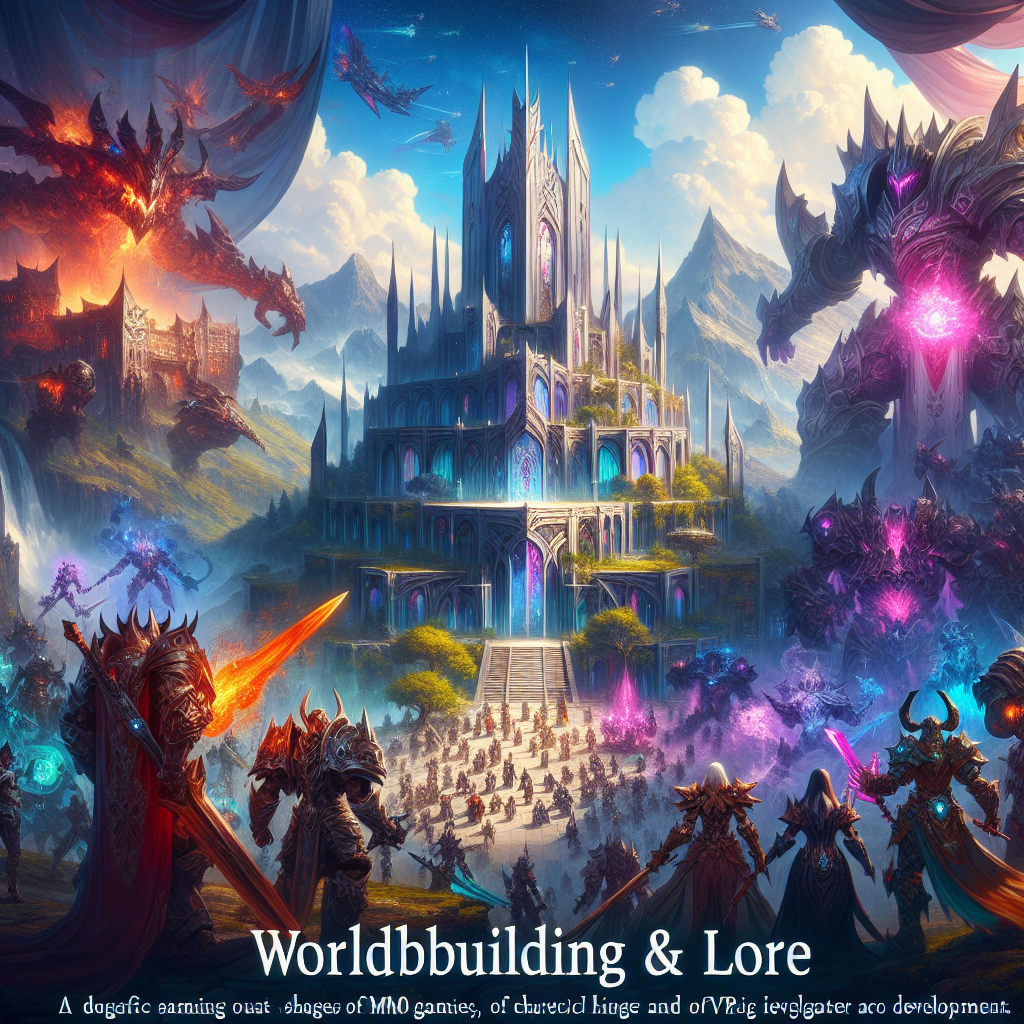
In the vast and captivating worlds of Massively Multiplayer Online (MMO) games, the power of storytelling and worldbuilding reigns supreme. It's not just about creating an expansive virtual landscape; it's about crafting an immersive experience that draws players in, keeps them invested, and leaves a lasting impression. At the heart of this intricate tapestry lies the art of narrative design – the strategic weaving of quests, lore, and character arcs that transform a game from a mere collection of tasks into a living, breathing universe.
Mastering the Fundamentals: Understanding Lore-Driven Mechanics
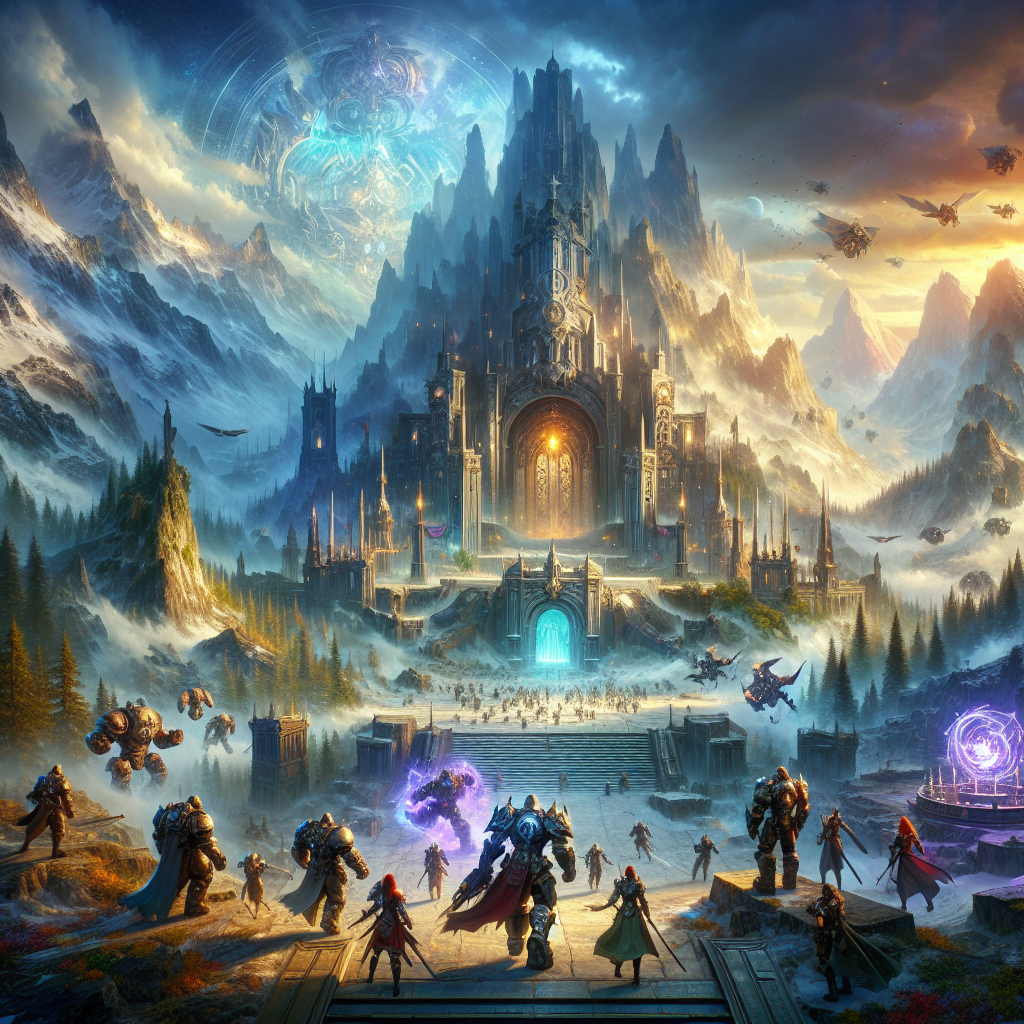
Effective narrative design in MMOs begins with a deep understanding of the game's lore and how it shapes the underlying mechanics. Each quest, encounter, and event should be seamlessly integrated into the overall narrative, creating a cohesive and immersive experience for players. This requires a meticulous approach to worldbuilding, where every element – from the geography to the factions, religions, and historical events – is carefully crafted to feel authentic and meaningful.
Establishing the Foundations of Lore
At the core of any compelling MMO narrative lies a well-developed lore that serves as the foundation for the game's world. This lore should be rich in detail, spanning centuries of history, diverse cultures, and intricate power dynamics. By understanding the intricacies of this lore, game designers can create quests, NPCs, and events that feel organically connected to the larger narrative, rather than mere standalone tasks.
Integrating Lore into Gameplay Mechanics
With a strong lore foundation in place, the next step is to weave it seamlessly into the game's mechanics. This might involve tying specific quest objectives to historical events, introducing characters that are deeply rooted in the world's mythology, or creating gameplay systems that reflect the cultural or magical traditions of the MMO's setting. By blending lore and mechanics, designers can create a sense of immersion that goes beyond the surface-level interactions, captivating players and drawing them deeper into the game's narrative.
Crafting Engaging Questlines: The Art of Strategic Quest Completion
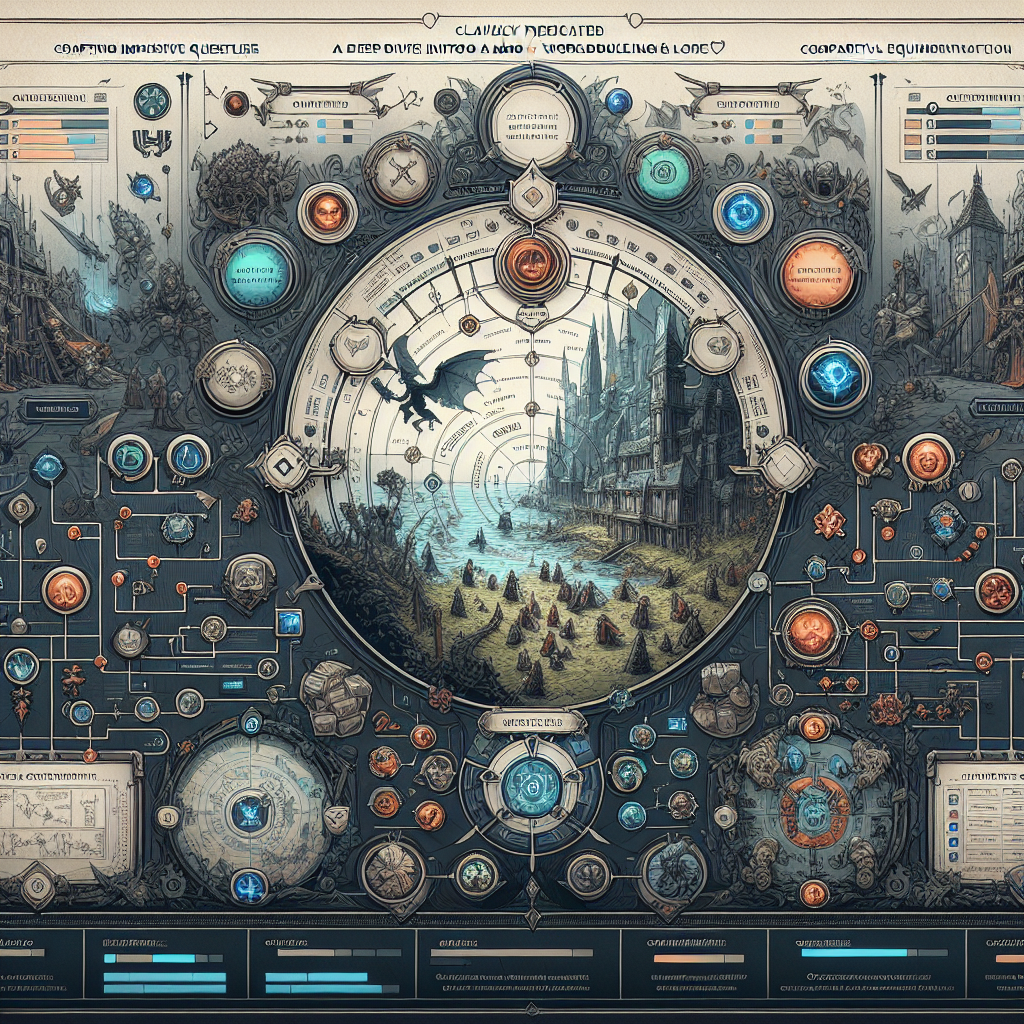
Quests are the lifeblood of any MMO, serving as the primary means by which players explore the world, advance their characters, and unravel the game's overarching narrative. Crafting compelling questlines requires a strategic approach that balances player agency, narrative progression, and rewarding gameplay.
Fostering Player Agency and Choice
One of the key elements of engaging questlines is the incorporation of player agency and choice. By presenting players with meaningful decisions that can impact the outcome of a quest or even the broader narrative, designers can create a sense of investment and ownership in the game's events. This might involve branching storylines, dialogue options that influence the quest's resolution, or even choices that lead to long-term consequences for the player's character or the game world.
Balancing Narrative Progression and Gameplay Pacing
Effective questline design also requires a careful balance between narrative progression and gameplay pacing. While the overarching story arc should drive the player forward, the individual quests should offer a mix of challenge, exploration, and reward to maintain a sense of engagement and progression. This might involve incorporating a variety of quest types, such as fetch quests, combat scenarios, or open-ended investigations, to keep the gameplay fresh and varied.
Crafting Meaningful Objectives and Rewards
Beyond the narrative and gameplay elements, the objectives and rewards associated with quests are crucial to player satisfaction and investment. Quests should present meaningful challenges that require strategic thinking, resource management, or creative problem-solving, and the rewards should feel impactful and relevant to the player's character development. This could include rare items, powerful abilities, or even the opportunity to shape the game's narrative through the player's choices and actions.
Developing Compelling Character Arcs: Weaving Player Progression into the Narrative
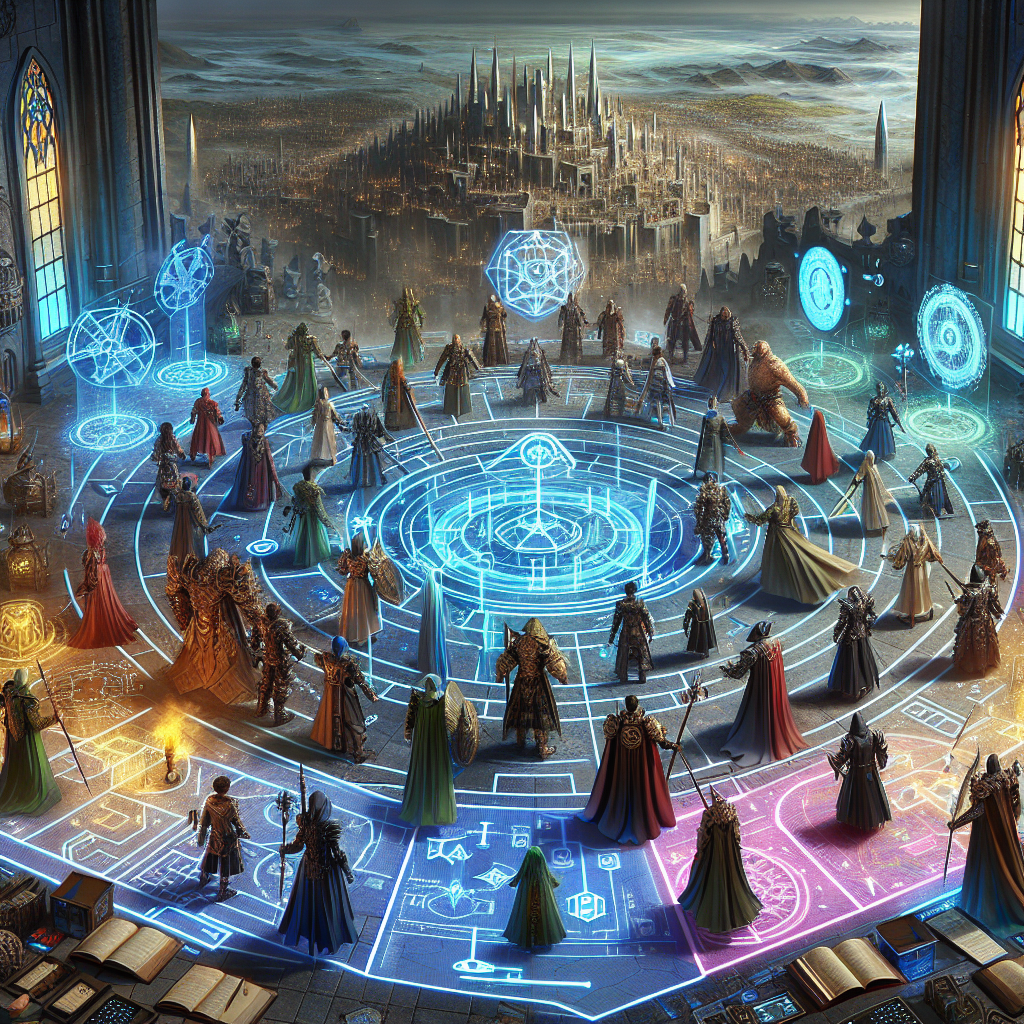
At the heart of any engaging MMO narrative lies the development of the player's character, their personal growth, and their interactions with the game world. By crafting compelling character arcs that are interwoven with the broader narrative, designers can create a powerful sense of investment and emotional resonance for players.
Establishing Character Motivations and Identities
The foundation of a well-developed character arc begins with a clear understanding of the player character's motivations, values, and identity. This might involve backstories, personality traits, and even flaws that shape the character's decision-making and interactions within the game world. By grounding the player character in a rich and multifaceted identity, designers can create a stronger sense of empathy and connection between the player and their in-game avatar.
Integrating Character Growth and Narrative Progression
As the player progresses through the game's narrative, their character should undergo a meaningful transformation, whether it's a shift in beliefs, the acquisition of new skills and abilities, or the resolution of personal conflicts. By tying this character growth directly to the events and outcomes of the main storyline, designers can create a powerful sense of agency and investment, where the player's choices and actions directly impact the development of their in-game persona.
Fostering Meaningful Relationships and Interactions
Beyond the player character's personal development, the relationships and interactions they forge with NPCs and other players can also be a powerful tool for narrative design. By creating meaningful connections, alliances, and conflicts within the game world, designers can further deepen the player's investment in the story and the consequences of their actions. This might involve dynamic faction affiliations, evolving friendships or rivalries, or even the opportunity to shape the fate of key characters through the player's choices.
Key Takeaways
Crafting an immersive and engaging narrative experience in MMO games is a multifaceted endeavor that requires a deep understanding of lore, game mechanics, and character development. By mastering the art of narrative design, game designers can create worlds that captivate players, foster a sense of investment and ownership, and leave a lasting impression long after the game has been played.
Here are the key takeaways from this exploration of unraveling the art of narrative design for MMO gameplay:
- Establish a rich and detailed lore that serves as the foundation for the game's world, and integrate it seamlessly into the underlying mechanics.
- Craft engaging questlines that balance player agency, narrative progression, and rewarding gameplay, creating a sense of investment and ownership.
- Develop compelling character arcs that are woven into the broader narrative, fostering emotional resonance and a deeper connection between the player and their in-game persona.
- By mastering these elements of narrative design, game designers can create immersive and captivating MMO experiences that keep players invested, engaged, and eager to explore the depths of the virtual worlds they've helped bring to life.
Explore the art of narrative design for engaging MMO gameplay, including lore-driven mechanics, strategic quest completion, and character arc development. Become a master of crafting immersive questlines that captivate players.