Unearthing the Depths of MMO Worldbuilding: A Comprehensive Guide for Lore Masters
Crafting a rich and immersive gaming world is a vital component of any successful massively multiplayer online (MMO) title. As a lore master, your role extends far beyond simply creating a visually stunning backdrop. You must weave together intricate narratives, strategically intertwine game mechanics with storytelling, and develop character archetypes that seamlessly blend with the game world's history and culture.
In this comprehensive guide, we'll explore the art of MMO worldbuilding, delving into the symbiotic relationship between gameplay and lore. We'll uncover techniques to imbue your game world with a palpable sense of authenticity, fostering a more immersive and engaging experience for players.
The Symbiosis of Gameplay and Lore
In the realm of MMOs, game mechanics and narrative are inextricably linked. The way players interact with the world, the challenges they face, and the choices they make should all be deeply rooted in the game's lore and underlying mythology.
Aligning Game Mechanics with Narrative
Consider the way spells and abilities function in a fantasy-based MMO. The type of magic available, its visual effects, and the associated costs should all be carefully crafted to align with the game world's magical system. For example, if your world is based on the principles of elemental magic, each spell should draw from and manipulate specific elemental forces, with distinct casting animations and resource requirements.
Similarly, the way players acquire and wield weapons, armor, and other equipment should be grounded in the game's history and cultural traditions. The availability of certain materials, the techniques used in crafting, and the symbolic significance of particular items can all contribute to a more cohesive and authentic experience.
Weaving Narrative into Gameplay
Equally important is the way in which the game's narrative is woven into the player's interactions and progression. Quests, storylines, and character dialogues should not feel like isolated events but rather seamless extensions of the game world's history and ongoing conflicts.
For instance, a player's choice to align with a particular faction or faction leader should have meaningful consequences, both in terms of gameplay mechanics and the narrative arc. This could manifest in the availability of faction-specific quests, unique rewards, or even the unlocking of certain areas or abilities within the game world.
By aligning game mechanics with narrative, you create a more cohesive and immersive experience, where players feel like they are actively shaping the course of events in the game world, rather than simply completing a series of disconnected tasks.
Developing Character Archetypes Rooted in Lore
The characters that inhabit your game world are not merely avatars for players to control; they are the embodiment of the game's lore and cultural traditions. As a lore master, your task is to create character archetypes that resonate with players and feel authentically woven into the fabric of the game world.
Crafting Distinct Character Identities
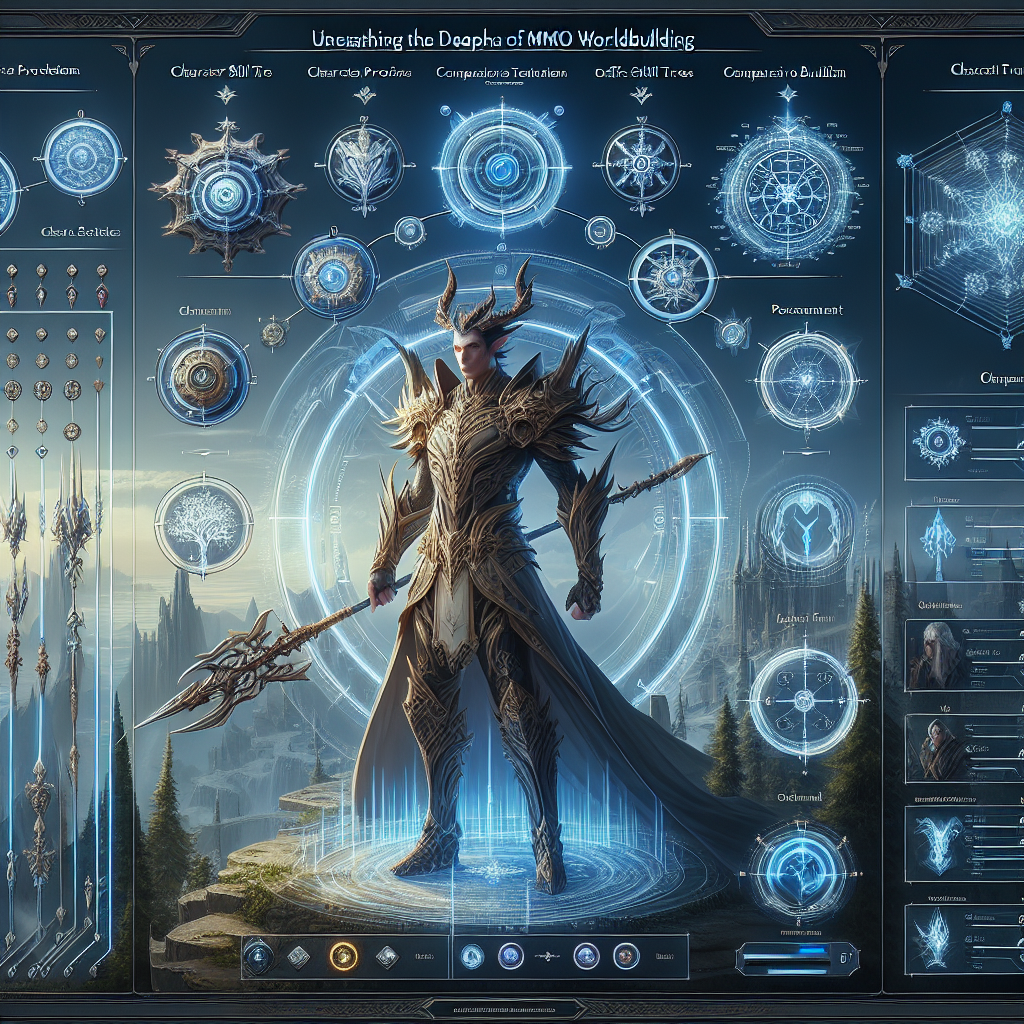
Each character class or archetype should have a distinct identity, complete with unique abilities, playstyles, and visual representations. These attributes should be deeply rooted in the game world's history, mythology, and cultural norms.
For example, in a fantasy-based MMO, a warrior class could be inspired by the warrior culture of a dominant empire, with heavy armor, powerful melee attacks, and a focus on honor and duty. In contrast, a rogue class might draw inspiration from the stealthy and cunning spy networks of a rival nation, emphasizing agility, subterfuge, and the ability to strike from the shadows.
By crafting these distinct character archetypes, you not only provide players with diverse gameplay options but also reinforce the sense of a living, breathing game world with its own complex power structures and societal dynamics.
Aligning Character Progression with Lore
As players progress through the game, their character's growth and development should be intrinsically tied to the game world's lore and historical context. This can manifest in various ways, such as:
1.
Skill and Ability Unlocks: As players advance, the new skills and abilities they unlock should be reflective of their character's journey and the game world's evolving narrative. For example, a mage character might start with basic elemental spells and gradually unlock more powerful, lore-specific abilities as they delve deeper into the world's magical traditions.
2.
Equipment and Gear: The equipment and gear available to players should not only provide mechanical benefits but also tell a story about their character's place in the game world. Rare or legendary items could be imbued with significant historical or cultural significance, further reinforcing the sense of a living, breathing world.
3.
Character Specializations: As players progress, they may have the opportunity to specialize their characters in ways that align with the game world's factions, organizations, or cultural traditions. These specializations should unlock unique abilities, quests, and narratives that deepen the player's connection to the game world.
By aligning character progression with the game's lore, you create a deeper sense of immersion and investment for players, as they feel that their choices and actions have a tangible impact on the broader narrative unfolding within the game world.
Crafting Compelling Quests and Storylines
Quests and storylines are the lifeblood of any MMO, serving as the primary vehicle for players to engage with the game world and its inhabitants. As a lore master, your task is to craft compelling narratives that not only drive the overall plot but also seamlessly integrate with the game's mechanics and world-building.
Narrative-Driven Quests
Rather than relying on a series of disconnected tasks, design quests that are rooted in the game world's history, politics, and cultural dynamics. Each quest should be an opportunity to deepen the player's understanding of the game world, its factions, and the complex web of relationships that shape the ongoing narrative.
For example, a quest to retrieve a powerful artifact could involve navigating the intricate political tensions between warring factions, uncovering ancient rivalries, and ultimately making difficult choices that have lasting consequences for the game world. By weaving these narratives into the core gameplay loop, you create a sense of purpose and investment that goes beyond simple task completion.
Branching Storylines and Player Choice
Embrace the power of player choice by incorporating branching storylines and meaningful decision-making points throughout the game. Allow players to align themselves with specific factions, make alliances, or even betray long-standing relationships – all with tangible impacts on the game world and its ongoing narrative.
These branching storylines not only foster a sense of agency and ownership for players but also increase the replayability of the game, as each player's journey can unfold in unique and compelling ways.
Worldbuilding through Lore Exploration
Encourage players to dive deeper into the game world's lore by designing quests and storylines that reward curiosity and exploration. This could involve uncovering ancient texts, deciphering hidden messages, or piecing together fragmented narratives to uncover the game world's rich history and secrets.
By empowering players to actively engage with the game's lore, you create a more immersive and rewarding experience, where the game world feels like a living, breathing entity with its own complex and fascinating backstory.
Leveraging Emergent Gameplay for Narrative Depth
While carefully crafted quests and storylines are essential, the true depth of an MMO's narrative can also emerge from the player's own interactions with the game world and its inhabitants.
Player-Driven Narratives
Embrace the power of emergent gameplay by creating opportunities for players to shape the narrative through their own actions and choices. This could involve fostering player-driven events, such as faction-based conflicts, resource wars, or political intrigues, where the outcome is not predetermined but rather determined by the collective actions of the player base.
By allowing players to actively influence the game world's ongoing narrative, you create a sense of ownership and investment that transcends the traditional quest-driven structure. Players become active participants in the game's evolution, with their choices and actions shaping the world around them.
Fostering Player-Created Content
Take your worldbuilding efforts a step further by empowering players to contribute to the game's lore and narrative. Provide tools and platforms that allow players to create their own stories, characters, and events, which can then be integrated into the broader game world.
This could involve everything from player-run roleplaying events and in-game storytelling sessions to the creation of custom quests, lore entries, and even entire game regions. By tapping into the creativity and passion of your player base, you can exponentially expand the depth and richness of your game world's narrative.
Key Takeaways
1. Align game mechanics with the game world's lore and narrative to create a more cohesive and immersive experience.
2. Develop distinct character archetypes that are deeply rooted in the game's history, mythology, and cultural traditions.
3. Craft compelling quests and storylines that drive the overall narrative and deepen the player's connection to the game world.
4. Leverage emergent gameplay and player-driven narratives to foster a sense of ownership and investment in the game world.
5. Empower players to contribute to the game's lore and narrative through custom content creation, fostering a collaborative and dynamic worldbuilding process.
By mastering these techniques, you can create an MMO game world that captivates players, immerses them in a rich and authentic narrative, and ultimately leaves a lasting impression long after they've logged off.
Discover the art of crafting a rich and immersive MMO game world through expert-level insights on aligning gameplay with lore, developing character archetypes, and leveraging emergent narratives. Become a true lore master and create a one-of-a-kind gaming experience.